- Emotionally-Focused Therapy
- Acceptance and Commitment Therapy
- Client-Centered work
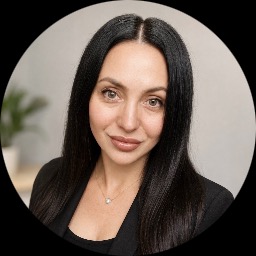
About Yuridia
Yuridia (Valerie) Polonsky is a Florida licensed clinical social worker (LCSW) with 15 years of experience working with stress, anxiety, depression, and life changes. She speaks English and Spanish and lists a broad range of concerns she addresses, including relationship and intimacy issues, trauma and abuse, grief, addiction, parenting, and ADHD.
Her sessions focus on helping people name and work through strong emotions. She uses Emotionally-Focused Therapy (EFT) alongside approaches such as Acceptance and Commitment Therapy (ACT) and Cognitive Behavioral Therapy (CBT) when helpful. Conversations center on feelings, attachment patterns, and practical skills for everyday life.
Clients can expect a straightforward style that explores how past experiences shape current relationships and reactions. She also works on communication skills, coping strategies for anger and stress, and ways to manage sleep and self-esteem concerns. Practical goals and small changes are common targets in her work.
Yuridia also lists specialized focus areas like abandonment, attachment issues, codependency, caregiver stress, and body image. She supports people facing career transitions, blended family concerns, and aging-related issues, and she addresses co-morbidity and complex life stressors.
Her practice uses a subscription model that can be canceled at any time. To begin, prospective clients complete a short matching questionnaire and schedule a first session through the online options button. International clients are not accepted.
How EFT and related approaches work in online sessions
Emotionally-Focused Therapy helps people notice and name hard-to-reach emotions and the patterns that follow. It is often used when attachment and relationship patterns are a concern and when feelings are difficult to express.Acceptance and Commitment Therapy (ACT) focuses on values and small action steps. It helps people accept uncomfortable thoughts while committing to changes that matter to them. Attachment-Based Therapy looks at how early relationships influence current reactions and helps people test new ways of connecting.
Choosing the most helpful approach is a collaborative process. The therapist will talk with the client about goals, preferences, and what feels most useful. Together they will decide whether EFT, ACT, CBT, or a mix fits best for the issues presented.
Confirm the specific session formats before booking, as the biography does not list formats explicitly. Online sessions can make it easier to fit therapy into a busy week, reduce travel time, and allow shorter check-ins when schedules are tight. Ask about language options, scheduling, and how sessions are arranged when completing the matching questionnaire before the first appointment.
Areas of expertise
Primary focus
Also works with
Additional focus areas
Therapeutic approaches
Experience
15+ years
Listed in
Florida
Languages
English, Spanish
Frequently asked questions
What concerns does she address?
She works with stress, anxiety, depression, trauma, relationship and intimacy issues, grief, addictions, parenting, ADHD, and related topics such as abandonment and attachment issues.
What is her therapeutic style?
She uses Emotionally-Focused Therapy as a listed approach and combines it with ACT, CBT, and client-centered methods to focus on emotions, attachment, and practical coping skills.
How much experience does she have?
She has 15 years of clinical experience working with a wide range of concerns and life transitions.
What are her credentials and where is she based?
She holds the credential LCSW and is licensed in Florida.
Which languages are supported?
Sessions are offered in English and Spanish.
Does she work with international clients?
She does not accept international clients at this time.
How are sessions paid for?
Sessions use a subscription that can be canceled at any time and costs vary with location.
How do I get started?
Select the See online therapy options button, complete the short matching questionnaire, and schedule a first session.
Profile details come from information the therapist supplied to BetterHelp. Credential and registration rules differ between the United States, the United Kingdom and Australia.