
Shaa Marcum
LICSWWest Virginia · 6 yrs exp
LICSW in West Virginia - Emotional and relationship concerns
Stress, Anxiety · Addictions · Trauma and abuse · Parenting · +14 more
Read profileTherapist listings are provided by BetterHelp. We will earn a commission at no additional cost to you if you use our links to purchase.
Browse profiles of mental health professionals who list Emotionally-Focused Therapy among their approaches in the listed location West Virginia. Compare focus areas, degrees, languages and therapeutic style, and check each profile to confirm a practitioner's permission to work where they live before reaching out.
West Virginia · 6 yrs exp
LICSW in West Virginia - Emotional and relationship concerns
Stress, Anxiety · Addictions · Trauma and abuse · Parenting · +14 more
Read profile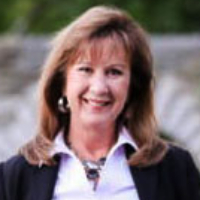
West Virginia · 25 yrs exp
Licensed Professional Counselor - Relationships and Family
Relationship · Family · Grief · Anger · +9 more
Read profile
West Virginia · 24 yrs exp
Licensed Professional Counselor - Stress and Trauma
Stress, Anxiety · Relationship · Trauma and abuse · Parenting · +14 more
Read profile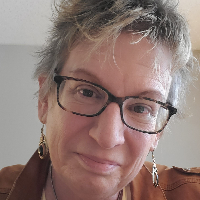
West Virginia · 34 yrs exp
Dr. Barbara Romfo - Psychologist focusing on mood and life transitions
Stress, Anxiety · Addictions · Trauma and abuse · Depression · +9 more
Read profile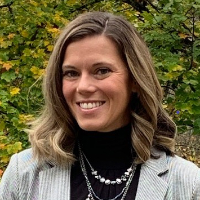
West Virginia · 3 yrs exp
Licensed Professional Counselor - Relationships and Mood
Stress, Anxiety · Relationship · Trauma and abuse · Grief · +13 more
Read profile
West Virginia · 8 yrs exp
Licensed Professional Counselor - emotion and relationships
Stress, Anxiety · Family · Trauma and abuse · Self esteem · +15 more
Read profile
West Virginia · 9 yrs exp
LPC in West Virginia - emotion and behavior work
Stress, Anxiety · LGBT · Intimacy-related issues · Self esteem · +12 more
Read profile
West Virginia · 14 yrs exp
LICSW in West Virginia - Mood and relationship patterns
Stress, Anxiety · Addictions · Trauma and abuse · Anger · +14 more
Read profile
West Virginia · 13 yrs exp
Licensed Professional Counselor - relationships and trauma
Relationship · Family · Trauma and abuse · Depression · +12 more
Read profile
West Virginia · 31 yrs exp
WV psychologist - anxiety and trauma specialist
Stress, Anxiety · Trauma and abuse · Self esteem · Depression · +11 more
Read profile
West Virginia · 4 yrs exp
Licensed Professional Counselor - Relationships and Trauma
Stress, Anxiety · Relationship · Trauma and abuse · Self esteem · +8 more
Read profile
West Virginia · 3 yrs exp
LPC in West Virginia - Stress and Relationship Concerns
Stress, Anxiety · Relationship · Self esteem · Depression · +1 more
Read profileEmotionally-Focused Therapy, often shortened to EFT, is an approach that looks closely at emotions, attachment and the patterns that repeat between people. In plain terms, it emphasizes what you are feeling in the moment, how those emotions shape your relationships and the ways habitual responses can make problems feel stuck. EFT is used with people individually and is commonly applied in relationship-focused work, but the presence of EFT on a profile simply means the clinician lists that approach among others. It is not evidence of a specific certification or a guarantee of outcomes.
When you read a profile, consider how the therapist describes their work in everyday language. Look for examples of issues they mention working with, the populations they name and how they explain the role of emotions and attachment in therapy. These descriptions will help you decide whether the general approach aligns with what you want to address, whether your concern is related to mood, relationship patterns, grief or stress. Keep in mind that a single line listing EFT does not define the full scope of a clinician's practice, so plan to ask direct questions about how they use emotional focus in sessions.
Profiles grouped under the listed location West Virginia are meant to help you find professionals associated with that area, but a listed location is not proof of a physical office, proximity, eligibility for every resident or current permission to practice there. Some professionals may work across states or countries, and others may indicate an association with West Virginia while their practice is based elsewhere. Always check an individual profile for more detail and contact the practitioner to confirm whether they are permitted to work with you where you live.
Academic degrees and professional authorization are different things. A degree such as PhD, PsyD, MD, MA or MSW describes an educational credential. Authorization to provide mental health services goes by other names in different countries. In the United States that usually means a state license, often referenced with abbreviations tied to social work, counseling, marriage and family therapy or psychology. In the United Kingdom or Australia practitioners may list registration or membership with local professional bodies. A degree alone does not establish current permission to practice. When you review a profile, notice how credentials and registration details are presented, and ask the clinician to explain what their credentials mean for practicing where you live.
When you want to understand how a clinician works, concrete questions will give you clearer answers than general requests. Ask how they describe the role of emotions and attachment in their practice and how that perspective shapes session goals. You can inquire about whether they typically work with individuals, whether they often address relationship patterns, and what kinds of concerns they have the most experience supporting. Request examples of the types of strategies they use, phrased as a conversation about approaches rather than as claims of technique mastery. It is reasonable to ask how long they typically work with people on issues like yours and what a typical early session looks like.
Ask about their experience with specific populations if that matters to you. If cultural background, age, identity, or language are important, request examples of prior work with similar clients and how they adapt their approach. If you have a particular life circumstance - for example parenting stress, chronic illness or grief - ask how they frame progress and what markers they use to track change. Keep the focus on practical descriptions so you can compare responses across profiles. Remember that a therapist listing Emotionally-Focused Therapy among their approaches may combine it with other orientations, so clarify how EFT features in their work and how it would be used in sessions that concern you.
If you are considering meeting by video or phone, raise specific topics before beginning so you know what to expect. Discuss the platform they use and how your data is protected, what steps you should take to create a private space for sessions, and what to do if a call drops or technology fails. Clarify communication preferences for between-session contact and how emergencies are handled. Because emergency services and crisis responses differ by location, confirm the clinician's procedures if you are in a different state or country than they are and make sure they can lawfully provide services to you in your jurisdiction.
If you are unsafe at home or in immediate danger, contact local emergency services right away - for example call 911 in the United States - and consider reaching out to domestic-abuse helplines in your area for specialized support. When you discuss online care, ask whether the clinician has a plan for safety concerns and whether they will work with you to develop an emergency plan that fits your circumstances. Also talk about accessibility needs, interpretation or language support, and how they will adapt sessions if necessary to make therapy practical for you.
Comparing profiles is most useful when you look at the elements that matter to your situation. Focus areas tell you what kinds of concerns a clinician commonly mentions - for example anxiety, relationship patterns, grief or life transitions - but those terms vary in meaning from one profile to the next. Read the longer description to see whether the clinician explains how they approach those topics. Languages spoken on a profile can be essential for comfort and nuance. If you prefer therapy in a language other than English, select profiles that explicitly list that language and ask about the clinician's experience working across cultural contexts.
Credentials and professional authorizations help you understand training and local permission to practice, but they are not interchangeable. A profile may include an academic degree alongside a professional registration or license, and you should treat each as a separate piece of information. Look for clear statements about where the clinician is authorized to practice and what the authorization covers. Therapeutic style is often conveyed in the tone of a profile - whether a clinician emphasizes emotion-focused exploration, practical strategies, collaborative decision-making or reflective inquiry. Consider whether that tone aligns with how you prefer to be supported and ask for examples that show how they work in sessions. Finally, note practice particulars such as whether the clinician mentions working with individuals, their interest in relationship patterns, and any populations they highlight. Because listing Emotionally-Focused Therapy does not prove formal EFT certification, include a question about how they learned to incorporate EFT ideas and how those ideas shape actual sessions.
As you browse profiles in the listed location West Virginia, use these guidelines to narrow your choices and prepare clear questions. Contacting a clinician to discuss scope of practice, permission to work where you live and how they would address your specific concern will give you the most reliable information. If you face an urgent safety issue, contact local emergency services or domestic-abuse resources immediately. Otherwise, take your time reviewing profiles, focus on the practical details that matter to you, and reach out when you are ready to learn more from a clinician's own description of their work.
Anger
2283 therapists
Control Issues
2023 therapists
Depression
2953 therapists
Domestic Violence
1374 therapists
Grief
2540 therapists
Guilt and Shame
2513 therapists
Intimacy Issues
1988 therapists
Isolation / Loneliness
2347 therapists
Midlife Crisis
1809 therapists
Mood Disorders
1950 therapists
Panic Disorder and Panic Attacks
1919 therapists
Post-Traumatic Stress
2237 therapists
Postpartum Depression
1245 therapists
Self Esteem
2871 therapists
Social Anxiety and Phobia
2288 therapists
Stress & Anxiety
3101 therapists
Trauma and Abuse
2718 therapists
Abandonment
1988 therapists
Attachment Issues
2143 therapists
Blended Family Issues
1623 therapists
Caregiver Issues and Stress
1889 therapists
Codependency
1894 therapists
Commitment Issues
1671 therapists
Communication Problems
2626 therapists
Coping with Life Changes
2710 therapists
Divorce
2136 therapists
Family
2534 therapists
Family of Origin Issues
1557 therapists
Fertility Issues
676 therapists
Forgiveness
2405 therapists
Infidelity
1592 therapists
Jealousy
1546 therapists
Life Purpose
2511 therapists
Parenting
2181 therapists
Pregnancy
1008 therapists
Relationship
2834 therapists
Self-Love
2495 therapists