
Patricia Brickman
LMHCWashington · 3 yrs exp
LMHC in Washington - Relationships and Mood
Stress, Anxiety · Relationship · Self esteem · Depression · +14 more
Read profileTherapist listings are provided by BetterHelp. We will earn a commission at no additional cost to you if you use our links to purchase.
This page groups profiles with a listed location in Washington where Emotionally-Focused Therapy (EFT) is listed among the approaches. You can compare focus areas, professional credentials, languages and therapeutic styles. Browse the profiles below to learn more and contact the profiles that seem like a fit.
Washington · 3 yrs exp
LMHC in Washington - Relationships and Mood
Stress, Anxiety · Relationship · Self esteem · Depression · +14 more
Read profile
Washington · 7 yrs exp
LICSW - stress and emotional concerns
Stress, Anxiety · Trauma and abuse · Grief · Anger · +1 more
Read profile
Washington · 18 yrs exp
LMFT - Anxiety and Relationship Concerns
Stress, Anxiety · Relationship · Trauma and abuse · Grief · +1 more
Read profile
Washington · 18 yrs exp
LMHC in Washington - Stress and Mood Concerns
Stress, Anxiety · Grief · Self esteem · Depression · +1 more
Read profile
Washington · 19 yrs exp
LMHC - Stress and relationship concerns
Stress, Anxiety · Trauma and abuse · Grief · Anger · +9 more
Read profile
Washington · 14 yrs exp
LMFT - Relationships and Mood Concerns
Stress, Anxiety · Relationship · Family · Parenting · +13 more
Read profile
Washington · 25 yrs exp
LCSW - Stress and Relationship Concerns
Stress, Anxiety · Addictions · Relationship · Family · +15 more
Read profile
Washington · 32 yrs exp
LMHC in Washington - Relationships and Emotional Health
Stress, Anxiety · Relationship · Trauma and abuse · Grief · +10 more
Read profile
Washington · 12 yrs exp
LMHC - Relationships and Mood Concerns
Stress, Anxiety · Relationship · Family · Self esteem · +15 more
Read profile
Washington · 30 yrs exp
Dr. Robert Egbert LMHC - Relationships and Mood
Stress, Anxiety · Relationship · Family · Intimacy-related issues · +14 more
Read profile
Washington · 9 yrs exp
Licensed Mental Health Counselor - Stress and Mood
Stress, Anxiety · Self esteem · Bipolar · Depression · +16 more
Read profile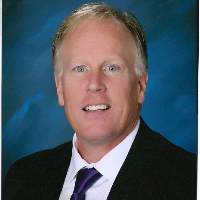
Washington · 27 yrs exp
Licensed Mental Health Counselor - Relationships and Trauma
Stress, Anxiety · Addictions · Trauma and abuse · Parenting · +10 more
Read profile
Washington · 9 yrs exp
LMHC - Anxiety and Relationship Concerns
Stress, Anxiety · Addictions · Trauma and abuse · Anger · +11 more
Read profile
Washington · 30 yrs exp
LICSW - Stress and Relationship Concerns
Stress, Anxiety · Anger · Depression · Coping with life changes · +13 more
Read profile
Washington · 25 yrs exp
LICSW in Washington - Emotionally-Focused care
Stress, Anxiety · LGBT · Trauma and abuse · Grief · +10 more
Read profile
Washington · 10 yrs exp
LMHC - Mood and relationship challenges
Stress, Anxiety · Trauma and abuse · Self esteem · Bipolar · +15 more
Read profile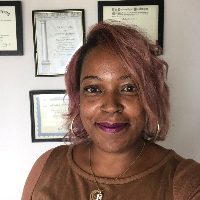
Washington · 20 yrs exp
Licensed Marriage and Family Therapist - Relationships and Trauma
Stress, Anxiety · Relationship · Trauma and abuse · Self esteem · +13 more
Read profile
Washington · 15 yrs exp
LICSW - Relationships and Life Changes
Stress, Anxiety · Relationship · Family · Grief · +10 more
Read profile
Washington · 6 yrs exp
LMFT - Relationships and Trauma
Stress, Anxiety · Relationship · Trauma and abuse · Intimacy-related issues · +6 more
Read profile
Washington · 33 yrs exp
LICSW - Mood and relationship concerns
Stress, Anxiety · Addictions · Grief · Bipolar · +14 more
Read profile
Washington · 5 yrs exp
LMFT - Emotion and relationship patterns
Stress, Anxiety · Family · Parenting · Self esteem · +10 more
Read profile
Washington · 8 yrs exp
LICSW - Stress and Trauma support
Stress, Anxiety · Addictions · Grief · Coaching · +11 more
Read profile
Washington · 30 yrs exp
LMHC - Stress and trauma support
Stress, Anxiety · Trauma and abuse · Grief · Depression · +12 more
Read profile
Washington · 30 yrs exp
LMHC - mood and life transitions
Stress, Anxiety · Family · Trauma and abuse · Depression · +12 more
Read profileEmotionally-Focused Therapy is an approach that looks at emotions, attachment and the interaction patterns that tend to repeat between people. In plain terms, therapists who list EFT often focus on the ways feelings shape relationships and the ways certain patterns of emotion or communication get reinforced over time. EFT is used with individuals and is often used with couples; it is described as an approach rather than a guarantee of a specific outcome. Listing EFT on a profile indicates a clinician notes this as part of their practice palette, but it does not demonstrate formal certification or a particular level of experience in every case.
When you read a profile, you will see language about how a therapist frames their work with emotions and relationships. Some therapists emphasize helping you notice and describe your emotional experience, others emphasize changing interaction patterns that feel stuck, and some combine these aims with other therapeutic perspectives. None of these descriptions promise a particular result. A clear profile will explain the kinds of issues the therapist commonly works with and the kinds of clients they describe as their focus. That information can help you decide whether to reach out to learn more.
A listed location on a profile groups therapists by the place they indicate on their profile, but it is not a guarantee of an office address, ongoing practice in that place or permission to practice there. Profiles may include professionals from the United States, the United Kingdom and Australia, and the language used for permission to practice differs across those places. In the United States you will commonly see references to state licensing. In the UK and Australia you are more likely to see references to registration, regulatory bodies or professional memberships. Academic degrees such as PhD, PsyD, MD, MA and MSW describe educational qualifications; a degree alone does not establish that a person currently holds a license, registration or membership that allows them to practice in a specific jurisdiction.
Because wording varies, check the individual profile for details about credentials and practice location, and confirm directly with the practitioner that they are permitted to work with you where you live. If you are seeking care across a border or between countries, ask about the clinician's jurisdictional permissions and how they handle the legal and ethical requirements for remote work in your area. This step helps ensure that a match on the site aligns with the regulatory realities that apply to you.
When you contact a profile, a few practical questions will help you understand how the clinician applies Emotionally-Focused Therapy in their work. You might ask: How do you describe the role of emotions and attachment in your sessions? What types of relationship patterns do you find yourself helping people with most often? How do you integrate EFT with other approaches you list on your profile? Asking these kinds of questions invites the therapist to explain their style rather than offering a single label.
It is reasonable to ask about experience with concerns similar to yours. For example, you could say: I am looking for support around this specific situation - have you worked with this kind of issue before, and what do you commonly focus on? You can also ask about typical session length, the ways feedback is given during therapy and how the clinician measures progress in a conversation. These are neutral, fact-finding questions that help you understand whether the therapist’s approach and practical style align with what you are looking for. Remember that a profile showing EFT does not certify expertise in that approach; use your conversations to learn about a clinician's real-world use and familiarity with the work.
If you are considering online sessions, discuss logistics and boundaries before beginning. Ask how the clinician handles differences in location - whether they are permitted to work with you based on where you live - and what arrangements they have for emergencies or urgent concerns. If you ever feel unsafe at home, call local emergency services or a domestic-abuse helpline for immediate assistance. Therapists can explain their usual plan for situations that require urgent action, but you should also have your own plan for contacting local support if needed.
You may want to talk about practical matters such as the technology platform they prefer, how messages or brief check-ins are handled, and what to expect if a session is interrupted. Ask how they document consent and how you can raise concerns about the process as you begin. If you have accessibility needs or prefer a particular language, confirm whether the clinician can accommodate those needs. Clear discussion about these topics before you start helps set expectations and supports a more comfortable beginning to care.
When comparing profiles in Washington, pay attention to how clinicians describe the focus areas they list. Some profiles emphasize specific life stages, relational concerns, trauma-related difficulties, grief or mood challenges. Others highlight populations such as older adults, LGBTQ+ clients or culturally specific communities. Reading how a therapist frames their focus gives you a sense of whether they have spent substantial time with issues like yours or whether the topic appears as one of many interests.
Language capability and cultural experience are practical considerations that affect communication and comfort. If having a therapist who speaks a particular language or understands a particular cultural context matters to you, look for that information on profiles and bring it up in your initial contact. When you look at credentials, distinguish between academic degrees and evidence of jurisdictional permission to practice. Ask a practitioner to explain the meaning of any registration, membership or license they list, and how that applies to working with you in Washington. Finally, think about style and interpersonal fit. Some therapists describe a more directive, skills-focused approach while others emphasize reflective, exploratory work. Describe your preferences and see how the therapist responds. A short conversation can reveal whether you sense alignment in language, pace and therapeutic priorities, which often matters as much as titles and degrees.
Throughout your search, remember that profiles are starting points. Confirm specifics on the individual profile and in direct conversation before making decisions. Use the information you gather to choose a clinician whose described approach, communication and professional standing match what you need, and reach out to those profiles to learn more.
Anger
2283 therapists
Control Issues
2023 therapists
Depression
2953 therapists
Domestic Violence
1374 therapists
Grief
2540 therapists
Guilt and Shame
2513 therapists
Intimacy Issues
1988 therapists
Isolation / Loneliness
2347 therapists
Midlife Crisis
1809 therapists
Mood Disorders
1950 therapists
Panic Disorder and Panic Attacks
1919 therapists
Post-Traumatic Stress
2237 therapists
Postpartum Depression
1245 therapists
Self Esteem
2871 therapists
Social Anxiety and Phobia
2288 therapists
Stress & Anxiety
3101 therapists
Trauma and Abuse
2718 therapists
Abandonment
1988 therapists
Attachment Issues
2143 therapists
Blended Family Issues
1623 therapists
Caregiver Issues and Stress
1889 therapists
Codependency
1894 therapists
Commitment Issues
1671 therapists
Communication Problems
2626 therapists
Coping with Life Changes
2710 therapists
Divorce
2136 therapists
Family
2534 therapists
Family of Origin Issues
1557 therapists
Fertility Issues
676 therapists
Forgiveness
2405 therapists
Infidelity
1592 therapists
Jealousy
1546 therapists
Life Purpose
2511 therapists
Parenting
2181 therapists
Pregnancy
1008 therapists
Relationship
2834 therapists
Self-Love
2495 therapists