
Tiffany Thornton
LPCWisconsin · 8 yrs exp
Licensed Professional Counselor - relationships and identity
Relationship · Intimacy-related issues · Coping with life changes · Stress, Anxiety · +8 more
Read profileTherapist listings are provided by BetterHelp. We will earn a commission at no additional cost to you if you use our links to purchase.
Explore profiles of practitioners who list Emotionally-Focused Therapy (EFT) in the listed location Wisconsin. Compare approaches, credentials, languages and focus areas, and open individual profiles to confirm a practitioner's listed location and whether they are permitted to work with you where you live.
Wisconsin · 8 yrs exp
Licensed Professional Counselor - relationships and identity
Relationship · Intimacy-related issues · Coping with life changes · Stress, Anxiety · +8 more
Read profile
Wisconsin · 8 yrs exp
Licensed Professional Counselor - relationships and emotion-focused work
Stress, Anxiety · Relationship · Self esteem · Career · +10 more
Read profile
Wisconsin · 21 yrs exp
Licensed counselor - Relationships and trauma
Stress, Anxiety · Relationship · Family · Trauma and abuse · +8 more
Read profile
Wisconsin · 35 yrs exp
LPC counselor - trauma and grief
Addictions · LGBT · Trauma and abuse · Grief · +7 more
Read profile
Wisconsin · 9 yrs exp
Licensed Clinical Social Worker - relationships and life transitions
Relationship · Family · Self esteem · Depression · +15 more
Read profile
Wisconsin · 30 yrs exp
LCSW - Mood and eating concerns
Stress, Anxiety · Grief · Eating · Self esteem · +1 more
Read profile
Wisconsin · 18 yrs exp
Licensed Professional Counselor - Trauma and relationships
Stress, Anxiety · Family · Trauma and abuse · Depression · +11 more
Read profile
Wisconsin · 7 yrs exp
Licensed Professional Counselor - Relationships and Trauma
Stress, Anxiety · Family · Trauma and abuse · Anger · +13 more
Read profile
Wisconsin · 26 yrs exp
Dr. Denise Petrelli-Holst - LPC, mood and life changes
Stress, Anxiety · Self esteem · Career · Coping with life changes · +11 more
Read profile
Wisconsin · 33 yrs exp
Licensed Clinical Social Worker - Emotional and relational concerns
Stress, Anxiety · Trauma and abuse · Grief · Self esteem · +15 more
Read profile
Wisconsin · 4 yrs exp
Licensed Professional Counselor - Stress and Relationships
Stress, Anxiety · Relationship · Parenting · Self esteem · +9 more
Read profile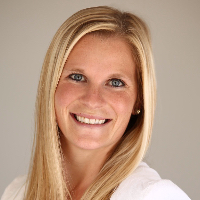
Wisconsin · 10 yrs exp
Licensed Marriage and Family Therapist - Relationships and Stress
Stress, Anxiety · Relationship · Family · Intimacy-related issues · +5 more
Read profile
Wisconsin · 5 yrs exp
Licensed Professional Counselor - Stress and Relationships
Stress, Anxiety · Addictions · Relationship · Depression · +15 more
Read profile
Wisconsin · 31 yrs exp
LCSW - relationships and emotional issues
Stress, Anxiety · Relationship · Family · Self esteem · +12 more
Read profile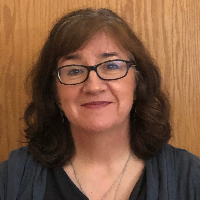
Wisconsin · 17 yrs exp
LPC counselor - emotion and relationship work
Stress, Anxiety · Relationship · Trauma and abuse · Self esteem · +11 more
Read profile
Wisconsin · 5 yrs exp
LMFT - Relationships and Mood Concerns
Stress, Anxiety · Relationship · Intimacy-related issues · Self esteem · +8 more
Read profile
Wisconsin · 28 yrs exp
LCSW - relationships and emotional concerns
Stress, Anxiety · Relationship · Trauma and abuse · Grief · +10 more
Read profile
Wisconsin · 10 yrs exp
Licensed Professional Counselor - stress and relationships
Stress, Anxiety · Trauma and abuse · Self esteem · Career · +15 more
Read profile
Wisconsin · 5 yrs exp
Licensed Professional Counselor - anxiety and trauma
Stress, Anxiety · Trauma and abuse · Anger · Self esteem · +5 more
Read profile
Wisconsin · 5 yrs exp
LCSW - Relationships and Emotional Health
Self esteem · Depression · Stress, Anxiety · Relationship · +5 more
Read profile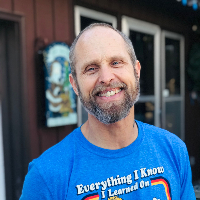
Wisconsin · 19 yrs exp
LCSW - Mood and addiction concerns
Stress, Anxiety · Addictions · Intimacy-related issues · Parenting · +11 more
Read profile
Wisconsin · 22 yrs exp
LCSW focused on relationships and emotion
Stress, Anxiety · Family · Trauma and abuse · Parenting · +15 more
Read profile
Wisconsin · 7 yrs exp
Licensed Professional Counselor - Emotions and Relationships
Stress, Anxiety · Addictions · Trauma and abuse · Self esteem · +14 more
Read profile
Wisconsin · 20 yrs exp
Licensed Professional Counselor - Relationships and Attachment
Stress, Anxiety · Relationship · Family · Intimacy-related issues · +11 more
Read profileEmotionally-Focused Therapy is an approach that focuses on emotions, attachment needs and the interaction patterns that repeat between people. In plain language, it helps you and the person you care about understand how feelings guide behavior, how past relational patterns show up now, and where moments of emotional disconnection tend to occur. People search for therapists who list this approach for a wide range of concerns, from managing strong feelings and processing loss to addressing recurring conflicts in close relationships. The approach is used with individuals and is often used with couples, but a listing of EFT does not guarantee a therapist treats couples or families. If you are at immediate risk or unsafe at home, contact local emergency services or a domestic-abuse helpline instead of relying on directory listings to find help.
When you read profiles, look for clear language about what someone focuses on and how they describe working with emotions. Therapists use different words to describe similar processes - some emphasize emotion regulation and processing, others name attachment and relational patterns. Those descriptions can help you decide which profiles to explore further, but remember that a profile simply indicates the practitioner lists this approach; it is not evidence of specialized certification or a particular outcome.
Profiles are grouped under the listed location Wisconsin, which helps you find practitioners associated with that area. A listed location is not in itself proof of an on-site office, physical proximity, eligibility for every resident, or an active permission to practice in that place. You should open individual profiles to see what the practitioner says about where they work and to confirm whether they are permitted to work with you in your state or country. Professional permissions vary by country. In the United States, therapists generally hold a license that grants them permission to practice in particular states. In the United Kingdom and Australia, practitioners may hold registration, membership in professional bodies or other forms of authorization that are governed by local regulators. Academic degrees such as PhD, PsyD, MD, MA or MSW describe education but do not by themselves establish current permission to practice. Profiles may list degrees, professional registrations or licenses, and membership in associations; treat each item as a starting point for a conversation rather than definitive proof of current permissions.
Because rules vary by jurisdiction, ask directly on an individual profile whether the practitioner is permitted to provide care to you in your location. Confirming this before you begin any interaction helps avoid misunderstandings about legal and ethical boundaries that affect remote or cross-border care.
If you decide to contact a practitioner, having concrete questions will make it easier to assess fit. Ask how they typically use EFT when they list it among their approaches - whether they draw on specific EFT practices, integrate other therapy approaches, or adapt sessions to individual needs. Ask about their experience with concerns that matter to you and whether they have worked with people who share similar backgrounds, ages, cultures or life situations. Request examples of how a few early sessions might be structured so you understand how they balance talking, reflection and structured emotional work.
It is reasonable to ask about the kinds of outcomes people typically aim for and how the practitioner defines progress, while remembering that no therapist can promise a specific result. You can also ask about practical elements that shape the work, such as session length, typical frequency and how they handle difficult moments in sessions. When a profile notes EFT among approaches, that wording signals the practitioner uses that orientation in some of their work, not that they hold a particular credential in EFT. Frame your questions to learn how EFT fits into their overall practice rather than to assume a particular scope of training.
If you are considering remote sessions, discuss a few specific topics before you begin. Confirm whether the practitioner is legally permitted to provide remote care to people in your state or country and what steps they take to protect client privacy and records. Arrange where you will be during sessions - make sure you will be in a private space where you feel comfortable speaking openly. Ask how the practitioner manages emergencies or urgent situations that may arise during remote work, including whether they will identify local emergency contacts or services for you.
Talk about communication preferences for scheduling and non-session contact, how cancellations are handled, and how changes in circumstances would be managed. If you have specific needs related to hearing, vision or language, ask how the practitioner accommodates those needs. Keep in mind that online contact can cross legal boundaries; explicit confirmation that the practitioner can work with you in your jurisdiction is an important safety check before you share personal information or begin treatment. If you are in immediate danger, please call emergency services or a local crisis line rather than waiting to arrange a therapy appointment.
Comparing profiles effectively means looking at several elements together rather than focusing on a single label. Read how each profile describes focus areas - the language used for trauma, grief, anxiety, relationship stress or life transitions can tell you about emphasis and approach. Look for stated experience with populations that matter to you, such as age groups, cultural communities or life stages. Language skills are important if you prefer to speak in a language other than English; check profiles for listed languages and ask whether sessions are conducted in those languages or if interpretation is used.
Consider credentials and degrees in context. A degree such as MSW or PhD shows training background while a listed license, registration or professional membership indicates a form of permission to practice in a given jurisdiction. Use clear questions to compare: Do they list working with the same concerns you have? Do their descriptions of therapeutic style - for example, more directive versus more exploratory - match how you prefer to work? Have they described integrating EFT with other approaches and does that integration appeal to you? Do they mention cultural competency or experience with diversity in ways that matter to your situation? Finally, think about the tone and clarity of each profile. Profiles that explain their approach in plain language and invite questions often make it easier to determine whether a practitioner might be a good fit.
As you review profiles, remember that a listed topic does not establish that a practitioner treats children, couples, or families. Profiles are an invitation to connect and ask direct questions; use the information you find as a basis for conversations that confirm scope of practice, permissions to work in Wisconsin or your location, and whether their style feels like a good match for your needs.
Anger
2283 therapists
Control Issues
2023 therapists
Depression
2953 therapists
Domestic Violence
1374 therapists
Grief
2540 therapists
Guilt and Shame
2513 therapists
Intimacy Issues
1988 therapists
Isolation / Loneliness
2347 therapists
Midlife Crisis
1809 therapists
Mood Disorders
1950 therapists
Panic Disorder and Panic Attacks
1919 therapists
Post-Traumatic Stress
2237 therapists
Postpartum Depression
1245 therapists
Self Esteem
2871 therapists
Social Anxiety and Phobia
2288 therapists
Stress & Anxiety
3101 therapists
Trauma and Abuse
2718 therapists
Abandonment
1988 therapists
Attachment Issues
2143 therapists
Blended Family Issues
1623 therapists
Caregiver Issues and Stress
1889 therapists
Codependency
1894 therapists
Commitment Issues
1671 therapists
Communication Problems
2626 therapists
Coping with Life Changes
2710 therapists
Divorce
2136 therapists
Family
2534 therapists
Family of Origin Issues
1557 therapists
Fertility Issues
676 therapists
Forgiveness
2405 therapists
Infidelity
1592 therapists
Jealousy
1546 therapists
Life Purpose
2511 therapists
Parenting
2181 therapists
Pregnancy
1008 therapists
Relationship
2834 therapists
Self-Love
2495 therapists