- Emotionally-Focused Therapy
- Acceptance and Commitment Therapy
- Strengths based planning
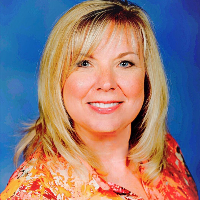
About Phyllis
Dr. Phyllis Mogielski-Watson is a Licensed Professional Counselor, LPC and LPCC, with 30 years of clinical experience. She works with stress, anxiety, grief, depression, addictions, self-esteem, and many life changes. She also supports people dealing with trauma and abuse, sleep problems, ADHD, and career or parenting strain.
Her style is straightforward and goal-focused. She listens to each person's story and helps identify practical next steps. Sessions often include building coping skills, working on communication patterns, and setting realistic goals to manage daily challenges.
Emotionally-Focused Therapy (EFT) is one of the approaches she uses to look at emotional patterns and attachment-related concerns. She also draws on Acceptance and Commitment Therapy (ACT) and Cognitive Behavioral Therapy (CBT) to address thoughts and behaviors that keep problems stuck. Attachment-Based and Client-Centered approaches appear in her work to help people explore relational themes and personal meaning.
Dr. Mogielski-Watson emphasizes strengths and practical strategies. She helps people create action plans and work toward clearer goals. Her background includes work across clinical settings and media appearances discussing mental health topics.
She practices in Illinois and works in English. Costs vary by location and are billed through a subscription that can be canceled at any time. To begin, clients complete a short matching questionnaire and schedule a first session through the site.
Approaches and how online sessions can fit your life
Dr. Mogielski-Watson integrates Emotionally-Focused Therapy to look at emotional patterns and attachment concerns. EFT helps identify hard-to-name feelings and how they shape relationships and reactions. Acceptance and Commitment Therapy is used to notice difficult thoughts and build committed action aligned with personal values. ACT can help when worry or avoidance interferes with daily life.The therapist treats finding the right approach as a collaborative process. She will talk with the client about goals and preferences and suggest methods that fit those aims. Together they adjust techniques over time based on what works in sessions and between meetings.
Confirm current session options before booking so you know what formats are offered. Online work can make it easier to fit therapy into a busy schedule, reduce travel time, and allow shorter check-ins when needed. It can also help people stay consistent with sessions during life transitions. Licensed professionals can use a mix of strategies in virtual sessions to practice new skills, review homework, and track progress without promising any particular result.
Areas of expertise
Primary focus
Also works with
Additional focus areas
Therapeutic approaches
Experience
30+ years
Listed in
Illinois, Ohio, Colorado, Arizona
Languages
English
Frequently asked questions
What concerns does she help with?
She works with stress, anxiety, depression, grief, addictions, ADHD, relationship and family issues, and related life changes.
What is her therapeutic style?
She uses a strengths-based, goal-focused approach that combines listening to your story with practical action plans and coping strategies.
How much experience does she have?
She has 30 years of clinical experience working in a range of settings and has also been featured as a subject matter expert in media.
What credentials and region apply?
She holds LPC and LPCC credentials and practices in Illinois.
Which languages are supported?
Sessions are offered in English.
Does she work with international clients?
International clients are not currently accepted.
How are sessions priced?
Cost varies with location and sessions use a subscription model that can be canceled at any time.
How do I get started?
Select the See online therapy options button, complete a short matching questionnaire, and schedule a first session.
Profile details come from information the therapist supplied to BetterHelp. Credential and registration rules differ between the United States, the United Kingdom and Australia.